Robotics Engineer
Autonomous systems that have to work outside the simulator.
B.S. Computer Science and Engineering, UCLA. Graduating June 2028 with a 3.64 GPA.
I'm a second-year at UCLA on a three-year track to a B.S. in Computer Science and Engineering. Last summer at Dimaag.ai I built a hybrid reinforcement-learning and classical local planner for autonomous vehicles, and took it off the simulator onto real hardware — sub-decimeter tracking above 10 mph, and 80% less mean error than the classical planner alone. Most of what I build outside work is instrumentation: things that measure something nobody had measured yet.
Most recent
Software Engineering Intern @ Dimaag.ai
2026-06 — 2026-09
- Developed a hybrid reinforcement-learning and classical local planner for autonomous vehicle trajectory tracking on complex paths
- Validated and deployed autonomous navigation policies on physical hardware, achieving reliable tracking at >10 mph with sub-decimeter trajectory accuracy
- Implemented PPO algorithm training pipelines and 2D LiDAR sensor raycasting within NVIDIA Isaac Lab
- Bridged the sim-to-real gap by validating policies across various simulators, implementing domain randomization to ensure seamless hardware deployment
- Reduced mean tracking error by 80% over the classical planner
Previous experience
2021-08 — 2025-05
Robotics Programming Lead · FIRST Robotics
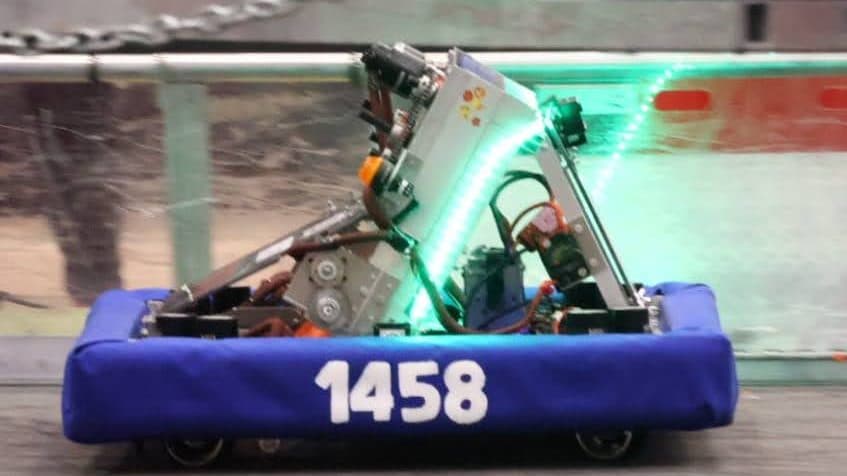
- Led software development for a 40+ member FIRST Robotics team, building semi-autonomous competition robots
- Implemented PID control systems, vision tracking (Limelight), and LiDAR-based localization
- Engineered autonomous routines and vision pipelines that propelled the team to the FIRST World Championships, ranking in the top 5% of regional competitors
2021-08 — 2025-06
Head Coach · MathCounts
Head coach running weekly competitive math training for 15-25 students.
2022 — 2025
Lifeguard · Seasonal
Seasonal certified lifeguard — CPR, First Aid, lifesaving.
Hobbies and interests
Competitive paddling
Dragon Boat
- Part of the Southbreeze dragon boat team, competing in the Club Crew World Championships.
Manufacturing
Fabrication and CAD
- Designs parts for robotics projects in SolidWorks, printed FDM at the UCLA Makerspace.
- Building a self-sourced Voron 3D printer from individually sourced parts.
Using science to create food
Baking
- Taught myself various techniques in cooking, such as fermentation and tempering.
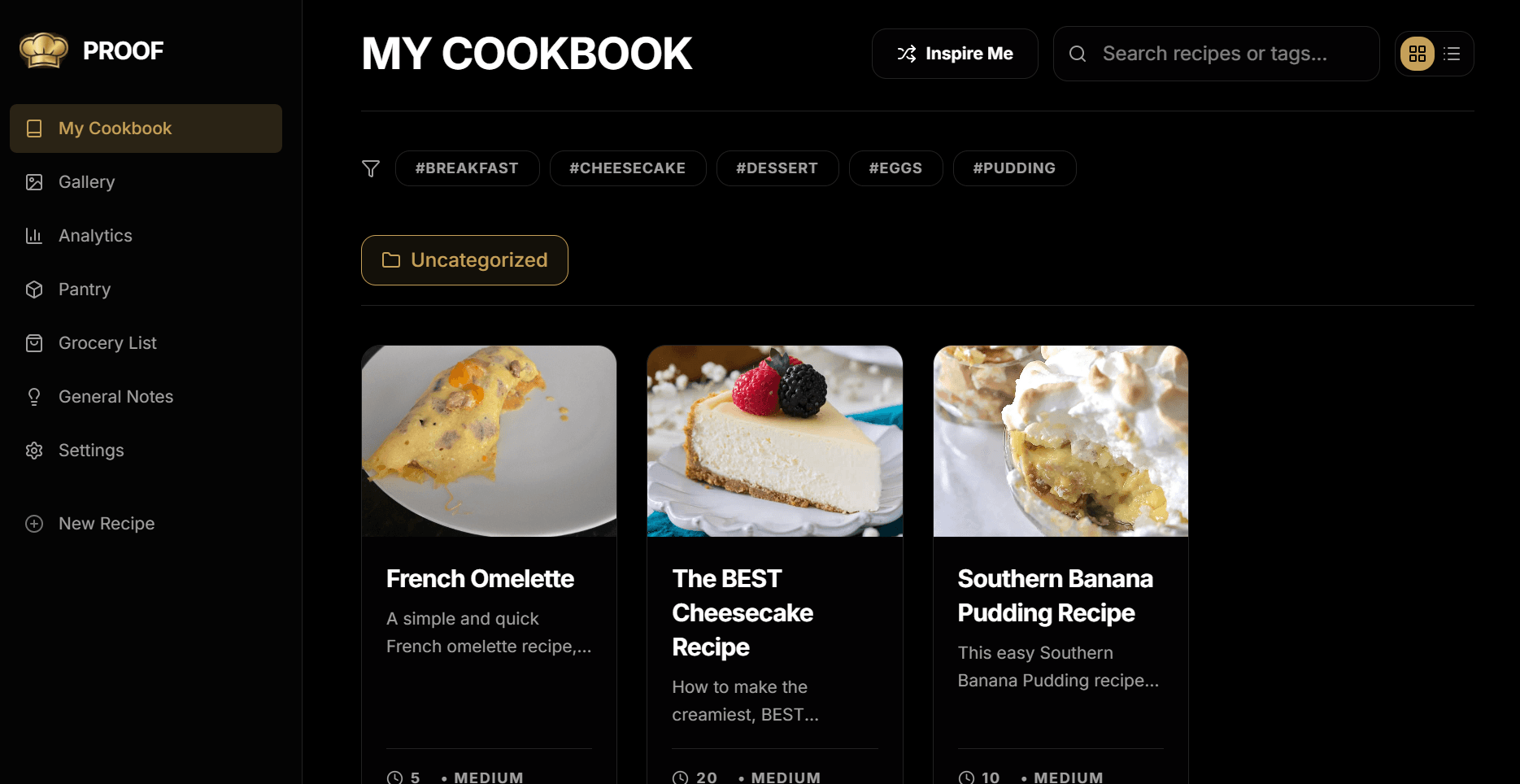
- Built Proof, an application for tracking and iterating on recipe designs.